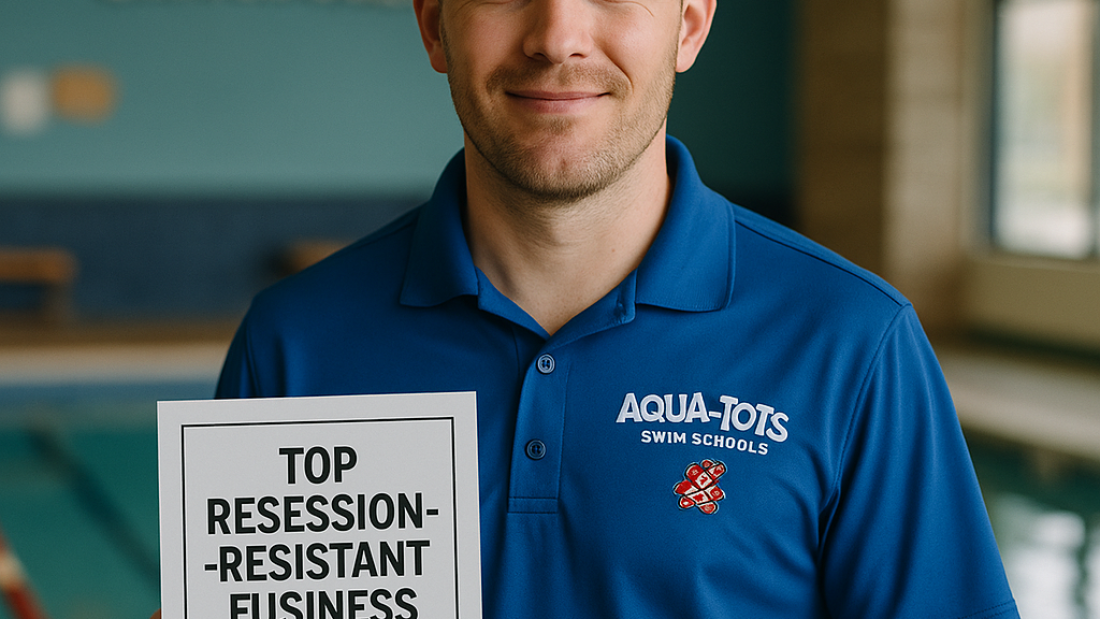
Aqua-Tots Swim School Recognized as a Top Recession-Resistant Business for 2026
In today’s ever-changing economic environment, choosing a business to invest in with long-term stability has become crucial for entrepreneurs and investors alike. One sector that continues to show resilience even during economic downturns is the swim instruction industry. Notably, Aqua-Tots Swim School has been recognized as one of the top recession-resistant businesses for 2026, highlighting its stability and growth potential.
Understanding Recession-Resistant Businesses
Recession-resistant businesses are those that can maintain steady revenue streams and profitability despite economic recessions. These businesses often provide essential services or products that consumers continue to prioritize regardless of financial hardships.
Key Characteristics
- Essential Services: Provide products or services that meet fundamental needs.
- Adaptability: Ability to adjust operations and offerings to changing market conditions.
- Strong Customer Loyalty: Maintaining relationships that encourage repeat business.
Why Swim Schools Like Aqua-Tots are Resilient
Swimming lessons fulfill crucial needs that go beyond recreation; they relate to safety, health, and skill development. This foundation contributes significantly to the recession-resistance of swim schools such as Aqua-Tots.
Safety and Skill Development
Drowning prevention and water safety remain top priorities for families worldwide. Swim schools provide essential training that, in many cases, parents consider non-negotiable regardless of economic conditions.
Health and Wellbeing Benefits
Swimming is an excellent form of exercise that promotes overall physical and mental health. During economic uncertainty, people often seek affordable health-promoting activities, which keeps demand high for quality swim instruction.
Strong Franchise Model
Established swim schools often follow a proven franchise model that offers operational support, marketing strategies, and standardized curricula. This model increases the likelihood of business success and reduces risk, especially important during volatile economic periods.
The Advantages of Investing in Aqua-Tots Swim School
With its recognition as a top recession-resistant business, Aqua-Tots presents several advantages to potential franchisees and investors.
Brand Reputation and Market Presence
Aqua-Tots possesses a strong brand reputation built on quality instruction, safety, and customer satisfaction. This trust encourages continuous enrollment and steady revenue streams.
Franchise Support and Training
Franchisees benefit from comprehensive training programs, ongoing operational support, and marketing initiatives, enabling them to efficiently navigate market challenges.
Consistent Consumer Demand
The consistent need for swim education, driven by safety concerns and a broad demographic appeal, ensures a steady flow of customers regardless of economic cycles.
Secondary Keywords to Know
- Franchise investment opportunities
- Swim school business model
- Economic resilience in franchising
- Swim lessons safety benefits
Conclusion
Aqua-Tots Swim School’s recognition as a top recession-resistant business for 2026 underscores the strength and stability of the swim instruction industry. Its essential value in safety and health, combined with a strong franchise model and loyal customer base, makes it an attractive opportunity for entrepreneurs seeking resilient investment options. As economic landscapes evolve, businesses like Aqua-Tots continue to demonstrate the importance of focusing on essential services that meet fundamental customer needs.